Describe How Fats Are Used During Exercise
The more you exercise the more efficient the heart becomes at this process so you can work out harder and longer. Are Carbohydrates Fats or Proteins Used During Cardiovascular Exercise.

Pin On Exercise At Home
When the intensity is increased we tend to use a greater percentage of carbohydrate than fat.
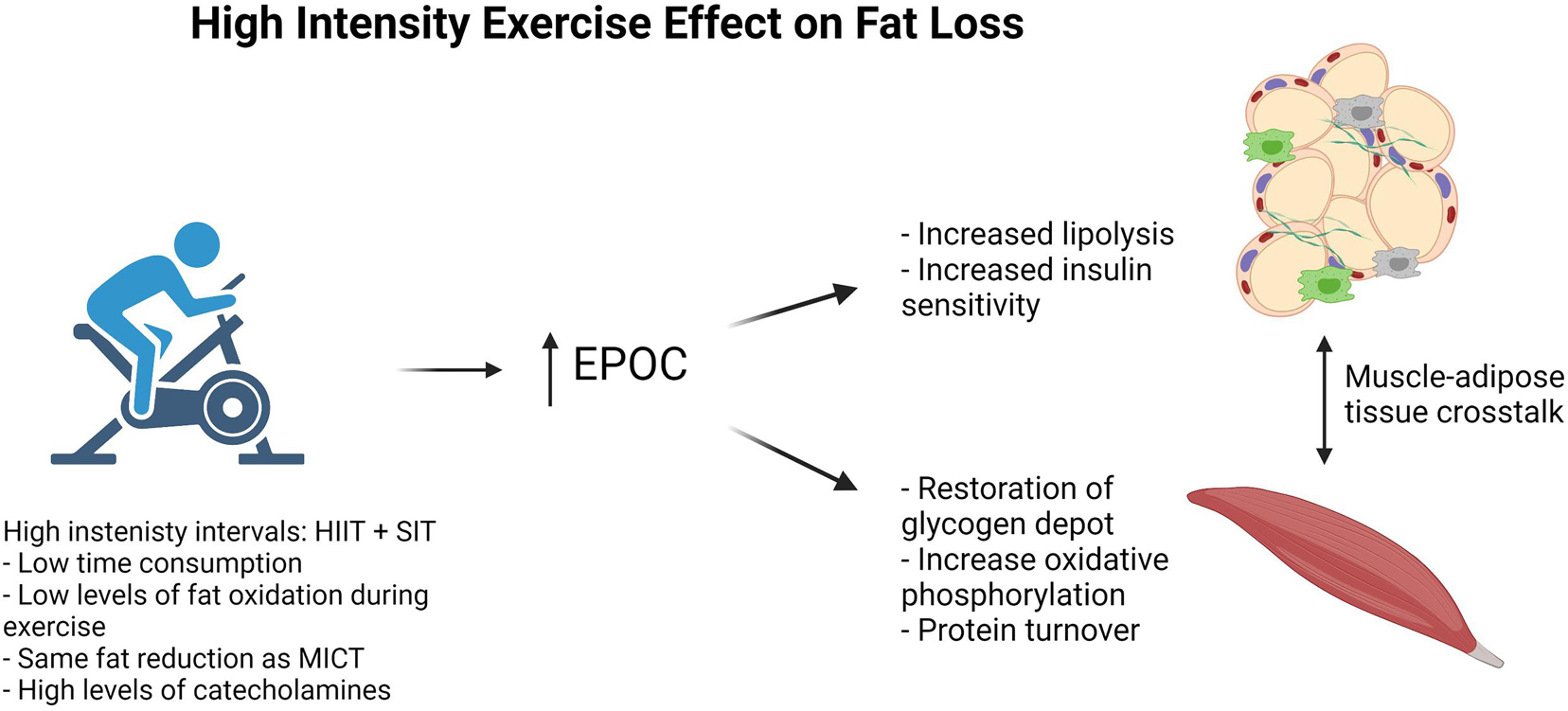
. The amount of glycogen in your body plays a major role in determining your level of endurance. To estimate the rates of lipolysis which is the breakdown of triglyceride the rates of fatty acid uptake and the rates of fatty acid oxidation. Breakdown of Fat The fat stored in the body is broken down through a complex process known as metabolism.
Eventually this lowers resting heart rate in fit people. Fat is stored under the skin and is known as adipose tissue. All carbs are ultimately converted to glucose and provide around 41 kcalg.
Carbohydrate fuel comes in the form of muscle glycogen and blood glucose. During the first 30 to 45 minutes of exercise cortisol increases which increases protein catabolism collectively working with the other three hormones to enhance the processes of glycogenolysis and gluconeogenesisThese are the two main hormones working during exercise lasting for several hours. When glycolysis occurs without oxygen O2 the pyruvate is converted to lactate.
Keep in mind that your body uses a combination of fat carbohydrates and protein at all times but the percentage changes depending upon exercise intensity and duration. They provide a slow-burning. Fats are less readily available for energy but they provide 91 kcalg after being converted into free fatty acids.
These studies have involved traces again labeling fatty acids and glycerol. Therefore the long duration whether moderate intensity activity may result in more use of body fat stores in. Your body stores energy in the form of glycogen a readily available fuel.
During low-intensity cardiovascular exercise fats are your muscles primary fuel. Exercise also stimulates the growth of new blood vessels causing blood pressure to decrease in fit people. How Well-Trained You Are.
During short heavy exercise it may be the only energy source for the working muscle and may be derived exclusively from the glycogen stores within the muscle fibers themselves. This is an important distinction. Carbohydrate is an important energy source during exercise.
Although carbohydrates tend to predominate during physical activity we still use some fat as fuel. If the body is forced to rely on stored fat reserves for energy whether because of diet or exercise the fat cells will shrink causing weight loss. Without adequate glycogen prolonged exercise can lead to fatigue and loss of stamina.
During long duration exercise the carbohydrate stored within body gets depleted within one hour. However this is very different than the actual amount of carbohydrate and fat that we are using. One mole of glucose yields 2 mol ATP but 1 mol glycogen yields 3 mol ATP.
More efficient during exercise to use glycogen then circulating glucose. Some of the best sources of fats include olive oil walnuts fish peanuts and almonds. In fat metabolism a decrease in insulin is the major factor.
FAT Fat is the major fuel for light-intensity to moderate-intensity exercise such as jogging hiking dance cycling and recreational swimming. Fatty acid oxidation can contribute 50 to 60 per cent of the energy. Fat Metabolism During Exercise During prolonged exercise we see changes in a number of aspects of fat metabolism.
Therefore while it is true that fat contributes a greater percentage of the total energy during lower intensity exercise at higher intensity exercise the total quantity of fat utilized may be greater for exercise performed for an equivalent period of time. Role of carbohydrate in exercise. The 3 main sources of fuel during exercise are carbohydrates fats and proteins.
As a result the fat present in body started acting as the main source of energy. Half of the energy for these activities comes from the aerobic using oxygen breakdown of muscle sugar stores glycogen and the other half comes from circulating blood sugar and fatty acids. As exercise intensity increases the number of calories burned also increases.
Depending on many factors many sports can adequately be completed with focus on nutritional preparation. Either source can predominate depending upon the duration and intensity of exercise degree of prior physical conditioning and the composition of the diet consumed in the days prior to a bout of exercise. Protein also provides 41 kcalg and is broken down into amino acids.
During high-intensity exercise carbohydrates are the major fuel source. During exercise energy is needed at a faster pace muscles contract more frequently the heart beats faster etc. These are anaerobic fuels meaning that they can provide energy without oxygen.
Carbohydrates are stored as glycogen in the muscles and liver and as glucose in the blood. The process of glycolysis through which glucose or glycogen is broken down to pyruvate. As exercise intensity increases carbohydrates form a larger part of your muscles fuel.
The bodys other fuels are glucose and its storage form glycogen. Our muscles are primed to burn fat and it is our most concentrated form of energy. Fat and carbohydrate are the two major energy sources used during exercise.
During low-intensity exercise fat is the primary source of fuel your body uses. When we do low intensity exercise the body does tend to use a greater percentage of fat than carbohydrate. Take a look at the chart below.
Breathing during activity they are able to use more fat for production of energy. Physical activity including formal exercise requires fuel for energy. During moderate to high intensity exercise the body uses predominantly carbohydrate as a fuel source as well as some fat storage.
When we begin to exercise we burn glucose and glycogen but it only takes a. During prolonged submaximal exercise the magnitude of the con. During lower intensity physical activities and physical activities performed for a long duration fuel from fats can be the predominate energy source.
This energy comes from the food that is eaten. If the body stores more fat then it uses the fat cells will expand causing weight gain.

Pin On Fiitspo
Frontiers Effect Of Exercise Training On Fat Loss Energetic Perspectives And The Role Of Improved Adipose Tissue Function And Body Fat Distribution Physiology

Exercise To Burn Fat Mydr Com Au
No comments for "Describe How Fats Are Used During Exercise"
Post a Comment